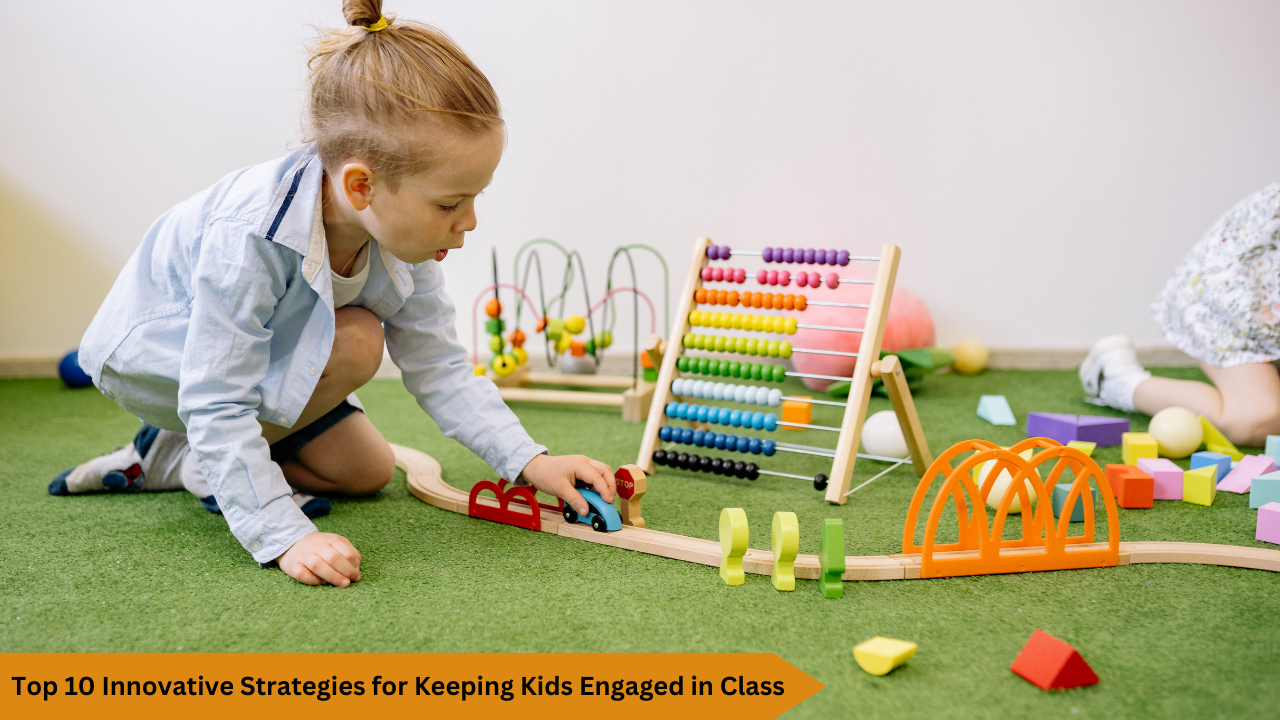
 In today's rapidly evolving educational landscape, the focus is on enhancing the learning experience for students. Smart schools recognize the need to go beyond traditional teaching methods to ensure that students remain engaged and motivated in the classroom. With children's ever-shortening attention spans, teachers face the challenge of creating an environment where learning is not only informative but also enjoyable. In this blog, we will explore various strategies and technologies that smart schools are using to keep children engaged in class.
1. Interactive learning One of the most effective ways to capture students' attention is interactive teaching. Smart schools are adopting technology to create engaging lessons that actively engage students. Interactive whiteboards, educational apps, and online platforms are used to make learning a fun and collaborative experience. By allowing students to participate in discussions, answer questions, and solve problems, teachers can maintain their interest and promote critical thinking. 2. Real-world connections Children are naturally curious to know about the world around them. They bring the outside world into the classroom, making lessons relevant and relevant. For example, teaching math with real-world examples or discussing current events in history class can pique students' interest by showing how what they are learning applies in the real world. 3. Diverse learning styles Effective teachers know that not all students learn the same way. Smart schools adopt a variety of teaching styles to meet different learning preferences. By integrating lectures, group activities, visual aids, and practical experiments, teachers can reach all students and keep them engaged. The use of multimedia such as videos, infographics, and podcasts can also provide variety in teaching approaches. 4. Personalized learning Every kid is unique, and smart schools recognize the importance of tailoring instruction to individual needs. Personalized learning strategies, such as adaptive learning software, allow students to progress at their own pace and focus on areas where they need improvement. This ensures that they stay engaged, as they neither get bored with material they have already mastered nor overwhelmed with material that is too challenging. 5. Project based learning Project-based learning is a practical approach that smart schools are adopting to make learning more immersive. Students work on projects that require them to apply what they have learned to real-world problems. This approach not only keeps students engaged but also encourages critical thinking, creativity and teamwork, skills essential for the future. 6. Teach with Story Stories have the unique power to enthrall the audience and smart schools are taking advantage of this in the classroom. Teachers use storytelling to make lessons more relevant and memorable. Whether it's history, science, or literature, weaving narratives into the curriculum can bring the content to life for students. 7. Socratic questioning Smart schools encourage critical thinking and active participation using Socratic questioning. This method involves asking open-ended questions that prompt students to think deeply and clarify their ideas. It encourages them to express their opinions, share ideas, thoughts and engage in meaningful discussions. 8. Flexibility and Choice Giving students some control over their learning can significantly increase their engagement. Smart schools allow students to choose subjects of interest, set goals, and chart their learning path. This approach empowers kids to take ownership of their education. 9. Feedback and encouragement Positive feedback and encouragement are important to maintain students' interest. Smart schools provide constructive feedback to acknowledge the efforts and achievements of students. Recognizing and celebrating their progress increases their sense of accomplishment and motivates them to persist. 10. Technology integration Smart schools harness the power of technology to make learning more interactive, engaging and creative. Virtual field trips, online resources and multimedia presentations have been integrated into the curriculum to provide a dynamic and motivating learning environment. Get more info: https://www.growinnsteps.com/pre-school/
0 Comments
|
AuthorWrite something about yourself. No need to be fancy, just an overview. Archives
December 2023
Categories
All
|
 RSS Feed
