 Finding the best day care centre for your child can be a daunting task. As a parent, you want to ensure that your child is in a safe, nurturing and stimulating environment while you are away. With so many day care centres popping up these days, it can be overwhelming to choose the right one. However, as a parent, you want the best for your child and that includes the best day care centre near you.
So, what makes a day care centre the best? Here are some key factors to consider when looking for the best day care centre near you: 1. Location and accessibility The first thing to consider is the location of the day care centre. It should be close to your home or workplace, making it easy for drop-offs and pick-ups. This will save you time and reduce the stress of commuting back and forth. Also, consider the accessibility of the centre in terms of public transportation and parking for the convenience of both you and your child. 2. Safety and security measures The safety and security of your child should be a top priority when choosing a day care centre. Make sure the centre has proper safety measures in place, such as secure entry systems, CCTV cameras and strict pick-up policies. Also, check if the centre has a first aid kit and trained staff in case of emergencies. 3. Qualifications and experience of the staff The quality of care your child receives largely depends on the qualifications and experience of the staff at the day care centre. Make sure to inquire about their educational background, training and experience in child care. It is also important to know the ratio of children to caregivers to ensure that your child receives individual attention and care. 4. Curriculum and activities A good day care centre should have a well-structured curriculum and a variety of activities that cater to the different needs and interests of children. This includes both indoor and outdoor activities, as well as activities that promote physical, emotional and cognitive development. The centre should also have age-appropriate toys and learning materials. 5. Clean and hygienic environments Children are more susceptible to illnesses, so it is crucial to choose a day care centre that maintains a clean and hygienic environment. Take a tour of the centre and check if the facilities and toys are clean and sanitized regularly. Also, inquire about their illness and hygiene policies to ensure the well-being of your child. 6. Parental involvement and communication The best day care centres understand the importance of involving parents in their child's development. Look for a centre that promotes open communication and encourages parental involvement through regular updates, parent-teacher meetings and events. This will allow you to stay updated on your child's progress and feel more connected with their day care experience. 7. Positive reviews and recommendations One of the best ways to find a good day care centre is through word of mouth. Ask for recommendations from other parents, friends or family members. You can also check online reviews and ratings to get an idea of the experiences of other parents. This will help you make an informed decision and choose the best day care centre near you. In conclusion, choosing the best day care centre for your child requires thorough research and consideration of various factors. It is important to visit the centre, meet the staff and ask questions to ensure that it meets your expectations. Remember, the right day care centre can have a positive impact on your child's development and provide you with peace of mind while you are at work. So, take your time and find the best day care centre near you. Enrol Now: https://www.growinnsteps.com/10-best-daycares-in-delhi-for-your-kids/
0 Comments
The Ultimate Guide to Finding the Nearest Daycare for Your Child's Happy and Healthy Development2/20/2024 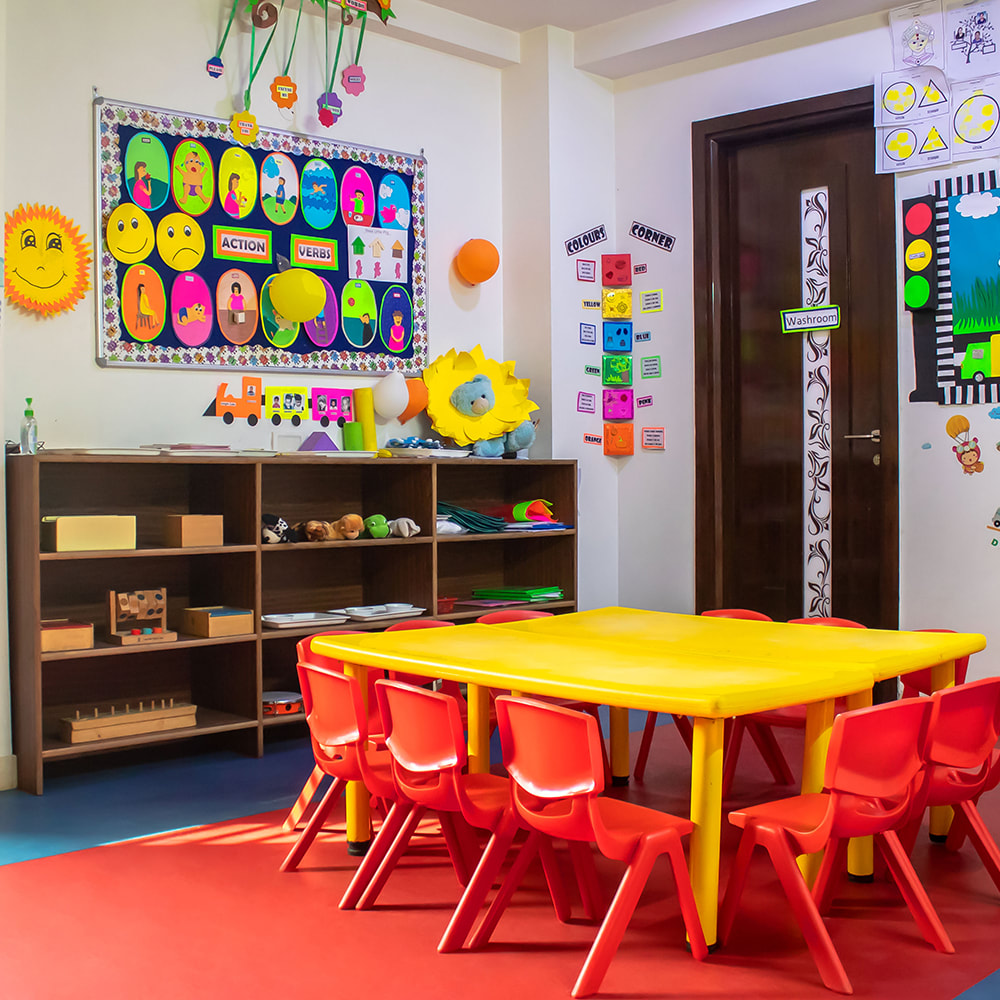 Finding the right daycare for your child is a crucial decision that can impact their happiness and healthy development. As a parent, you want to ensure that your little one is in a nurturing and safe environment while you are at work or tending to other responsibilities. But with so many options available, how do you find the nearest daycare that meets your child's needs?
In this ultimate guide, we will walk you through the process of finding the perfect daycare for your child. From researching local options to visiting facilities and evaluating their programs, we will provide you with the tools and knowledge you need to make an informed decision. Our brand understands the importance of choosing the right daycare, and we are committed to helping parents navigate this process smoothly. With our expert advice and valuable insights, you can feel confident in finding a daycare that aligns with your child's developmental needs, as well as your own parenting values. Don't settle for just any daycare. Join us as we embark on this journey together and discover the ultimate guide to finding the nearest daycare for your child's happy and healthy development. The importance of finding the right daycare for your child The decision to enroll your child in daycare is a significant one, as it plays a vital role in their overall development and well-being. A high-quality daycare can provide a safe and stimulating environment where your child can learn, grow, and socialize. Research has shown that children who attend daycare often exhibit better cognitive and social skills compared to those who do not. When choosing a daycare, it's essential to consider your child's individual needs and personality. Some children thrive in large group settings with plenty of activities, while others may require a smaller, more intimate setting. By finding the right daycare, you can ensure that your child receives the appropriate level of care and attention they need to flourish. Factors to consider when choosing a daycare When starting your search for a daycare, several factors should be taken into account to ensure you make the best decision for your child and family. These factors include: 1. Location: The proximity of the daycare to your home or workplace is crucial. Consider the travel time and convenience when selecting a daycare. 2. Operating hours: Check if the daycare's operating hours align with your schedule. It's essential to find a daycare that can accommodate your working hours. 3. Staff qualifications and experience: Look for daycare centers with trained and experienced staff members who have a background in early childhood education. This ensures that your child receives proper care and guidance. 4. Facilities and resources: Assess the daycare's facilities and resources, such as play areas, toys, books, and learning materials. A well-equipped daycare can provide a stimulating environment for your child's development. 5. Parental involvement: Consider the parental involvement encouraged by the daycare. Find out if they have regular communication channels and opportunities for parents to participate in activities or events. Researching and gathering information about daycares in your area Once you have identified the factors that are important to you and your child, it's time to start researching daycares in your area. 1. Ask for recommendations: Seek recommendations from friends, family, neighbors, or colleagues who have children attending daycare. Personal referrals can provide valuable insights into the quality of care provided by a specific daycare. 2. Online research: Utilize online resources to find daycares in your area. Websites and online directories can provide information about daycare centers, including their location, contact details, and reviews from other parents. 3. Check local licensing and accreditation: Verify if the daycare centers you are considering are licensed and accredited by the appropriate authorities. This ensures that they meet specific standards in terms of safety, curriculum, and staff qualifications. 4. Read reviews and testimonials: Look for online reviews and testimonials from other parents who have had experience with the daycare centers you are interested in. This can give you an idea of the overall satisfaction level of parents and any red flags to watch out for. 5. Schedule visits and interviews: Narrow down your options and schedule visits to the daycare centers that align with your preferences. During the visit, observe the interactions between staff and children, assess the cleanliness and safety measures, and ask any questions you may have. Visiting and evaluating potential daycares Visiting potential daycares is a crucial step in the decision-making process. It allows you to see firsthand the environment in which your child will spend their time and interact with other children and caregivers. Here are some key aspects to consider during your visits: 1. Observation: Observe the interactions between the staff and children. Pay attention to the caregivers' demeanor, whether they are warm, attentive, and engaging with the children. Look for signs of a positive and nurturing environment. 2. Cleanliness and safety: Assess the cleanliness and safety measures in place. Check if the facilities are well-maintained, including the play areas, eating areas, and restrooms. Ensure that safety protocols, such as childproofing and emergency procedures, are followed. 3. Child-to-staff ratio: Inquire about the child-to-staff ratio at the daycare. Consider if the number of children in each group is suitable for your child's age and needs. 4. Curriculum and activities: Discuss the daycare's curriculum and daily activities. Find out if they offer a balance of structured and unstructured play, as well as age-appropriate learning opportunities. Ask about the types of activities and programs they provide to stimulate your child's development. 5. Communication and involvement: Inquire about the daycare's communication policies. Find out how they keep parents informed about their child's daily activities, progress, and any concerns. Ask if they have parent-teacher meetings or events that encourage parental involvement. Understanding daycare accreditation and licensing Accreditation and licensing are essential indicators of a daycare center's commitment to providing quality care and meeting specific standards. Understanding the different types of accreditation and licensing can help you make an informed decision. Here are some common types: 1. State Licensing: Daycare centers are required to obtain a license from the state in which they operate. State licensing ensures that the daycare meets minimum health, safety, and educational standards. 2. National Accreditation: Some daycares voluntarily seek national accreditation from organizations such as the National Association for the Education of Young Children (NAEYC) or the National Accreditation Commission (NAC). Accreditation signifies that the daycare has gone above and beyond the minimum licensing requirements and follows best practices in early childhood education. 3. Specialized Accreditation: Depending on your child's specific needs, you may want to consider daycares with specialized accreditation. For example, if your child has special needs, a daycare with accreditation from the National Association for Family Child Care (NAFCC) may be suitable. 4. Quality Rating Systems: Some states have implemented quality rating systems that assess daycares based on specific criteria, such as staff qualifications, curriculum, and safety measures. Look for daycares with high ratings as an additional indicator of quality. Assessing the curriculum and learning environment The curriculum and learning environment of a daycare play a significant role in your child's development. It's important to assess if the daycare's approach aligns with your own parenting values and educational goals. Consider the following: 1. Play-based learning: Research shows that play is crucial for a child's cognitive, social, and emotional development. Inquire about the daycare's approach to play-based learning and how they incorporate it into their curriculum. 2. Age-appropriate activities: Ensure that the daycare offers age-appropriate activities that stimulate your child's development. This may include sensory play, art projects, storytelling, music, and outdoor play. 3. Language and literacy development: Ask about the daycare's approach to language and literacy development. Find out if they incorporate activities that promote early literacy skills, such as reading, storytelling, and vocabulary building. 4. Social and emotional development: Inquire about the daycare's approach to fostering social and emotional development. Look for programs that encourage positive peer interactions, conflict resolution skills, and emotional regulation. 5. Enrichment programs: Check if the daycare offers any additional enrichment programs, such as foreign language classes, music lessons, or sports activities. These programs can provide additional opportunities for your child's growth and development. Examining health and safety measures The health and safety of your child should be on high priority when choosing a daycare. Ensure that the daycare follows strict health and safety measures to protect your child's well-being. Consider the following: 1. Health policies: Inquire about the daycare's policies regarding illness, immunizations, and medication administration. Find out how they handle sick children and what steps they take to prevent the spread of diseases. 2. Safety protocols: Ask about the daycare's safety protocols, such as emergency preparedness, fire drills, and childproofing measures. Ensure that they have proper security measures in place to prevent unauthorized access to the facility. 3. Nutrition and meal plans: Discuss the daycare's approach to nutrition and meal plans. Inquire about the types of meals and snacks provided, as well as any accommodations for special dietary needs or allergies. 4. Outdoor safety: If the daycare has outdoor play areas, ensure that they are safe and well-maintained. Look for appropriate fencing, age-appropriate equipment, and shaded areas. 5. Staff training: Inquire about the staff's training in health and safety procedures. Find out if they are trained in CPR and first aid, as well as how often they receive refresher training. Considering cost and financial considerations Cost is an important factor to consider when choosing a daycare. It's essential to find a daycare that fits within your budget while still providing quality care for your child. Here are some financial considerations: 1. Tuition fees: Inquire about the daycare's tuition fees and payment schedules. Ask if they offer any discounts or scholarships for low-income families. 2. Additional fees: Check if there are any additional fees, such as registration fees, activity fees, or late pick-up fees. Factor in these costs when calculating the overall cost of the daycare. 3. Subsidies and assistance: Research if there are any subsidies or financial assistance programs available in your area. Some governments and organizations offer support to families in need of affordable childcare. 4. Tax benefits: Explore if there are any tax benefits or credits available for childcare expenses. Consult a tax professional to understand the deductions or credits you may be eligible for. Seeking recommendations and reviews from other parents Hearing from other parents can provide valuable insights into the quality and reputation of a daycare. Seek recommendations and reviews from parents who have had experience with the daycares you are considering. 1. Online reviews: Look for online reviews and testimonials from other parents. Websites and social media platforms often have dedicated groups or forums where parents share their experiences and recommendations. 2. Personal referrals: Ask friends, family, neighbors, or colleagues who have children attending daycare for their recommendations. Personal referrals can provide firsthand accounts of the quality of care and overall satisfaction with a specific daycare. 3. Parent networks and support groups: Join local parent networks or support groups to connect with other parents in your area. These groups often provide a platform for discussions about childcare options and recommendations. 4. Community organizations: Reach out to community organizations, such as parenting associations or early childhood development centers, for recommendations. These organizations often have resources and networks to help parents find quality daycare options. Making the final decision and transitioning your child to daycare After conducting thorough research, visiting daycares, and gathering recommendations, it's time to make the final decision. Consider your child's needs, your preferences, and the information you have gathered throughout the process. Once you have chosen a daycare, here are some tips for a smooth transition: 1. Communication with the daycare: Inform the daycare about your decision and discuss the enrollment process. Provide them with any necessary paperwork, such as medical records and emergency contact information. 2. Transition period: Some daycares offer a transition period to help children and parents adjust to the new environment. Take advantage of this opportunity to gradually introduce your child to the daycare, spending shorter periods of time there before transitioning to full days. 3. Open communication with caregivers: Maintain open communication with the daycare's caregivers. Share any important information about your child's routines, preferences, and any specific needs they may have. This helps the caregivers provide personalized care and support. 4. Positive reinforcement: Offer positive reinforcement and reassurance to your child about their new daycare. Highlight the exciting activities and new friends they will make. Emphasize that you trust the caregivers and that they will have fun and learn new things at daycare. 5. Establish routines: Establish consistent routines for drop-off and pick-up to provide stability and predictability for your child. This can help ease any separation anxiety and provide a sense of security. Finding the nearest daycare for your child's happy and healthy development is a process that requires careful consideration and research. By following this ultimate guide, you can make an informed decision that aligns with your child's needs and your own parenting values. Remember to trust your instincts and prioritize your child's well-being throughout the entire process. Enquire Now: https://www.growinnsteps.com/daycare/  Introduction
When it comes to finding suitable daycares near by me, every parent wants the best for their child. However, by considering various factors and exploring different daycare centers, you can make an informed choice that aligns with your child's needs, your preferences, and your daily routine. In this comprehensive guide, we will delve into the essential aspects to consider when searching for daycares near by me and provide helpful insights and tips to make this process a breeze. Factors to Consider When Choosing Daycares Near By Me Location and Convenience One of the primary concerns while searching for daycares near by me is the location. Look for a daycare center that is conveniently located, preferably close to your home or workplace. This ensures ease of drop-off and pick-up, saving valuable time and reducing stress. Accreditation and Certification When evaluating potential daycares near by me, it is crucial to check if the center holds proper accreditation and certification. Accredited daycares adhere to high standards of safety, health, and education, providing a nurturing environment for your child's development. Teacher-to-Child Ratio A significant factor contributing to the quality of care and attention your child receives is the teacher-to-child ratio. Lower ratios indicate more individualized care, allowing teachers to address each child's needs effectively. Ensure the daycare you choose maintains a low teacher-to-child ratio to promote a positive learning experience. Curriculum and Activities Exploring the curriculum and activities offered by daycares near by me can provide valuable insight into the learning experiences your child will have. Look for programs that focus on both academic and social-emotional development, with a healthy balance of structured and unstructured activities. Safety and Security Measures The safety and security of your child should be a top priority. When visiting potential daycares near by me, inquire about their safety measures, including staff background checks, emergency protocols, and facility safety features. A childcare center that prioritizes safety ensures peace of mind for parents. Parental Involvement and Communication Effective communication and parental involvement play a vital role in your child's daycare experience. Look for daycares near by me that encourage open communication, provide regular updates on your child's progress, and involve parents through events, meetings, or volunteering opportunities. How to Find Daycares Near By Me Finding suitable daycares near by me can be a daunting task. Here are some effective strategies to simplify your search: Online Resources: Utilize online platforms that provide extensive databases of daycares, allowing you to search based on location, services, and user reviews. Websites such as Care.com, ChildCare.gov, and local directories can provide helpful information. Word-of-Mouth Recommendations: Seek recommendations from friends, family, neighbors, or colleagues who have personal experiences with daycares near by me. Local Community Resources: Tap into local community resources such as parenting groups, community centers, or libraries for recommendations and information on reputable daycares near by me. These resources often provide a wealth of helpful information and support. Visiting Daycare Centers: After narrowing down a list of potential daycares near by me, schedule visits to assess the environment, meet the staff, and get a sense of the overall atmosphere. This firsthand experience helps in evaluating the center's suitability for your child. Conclusion Choosing the right daycare center is a significant decision that influences your child's early development and experiences. By considering factors such as location, accreditation, curriculum, safety measures, and parental involvement, you can find daycares near by me that align with your requirements. Utilizing online resources, seeking recommendations, and visiting potential daycares enables you to make an informed decision. Remember, finding the perfect daycare is an investment in your child's future, providing them with a nurturing and enriching environment. With these insights and tips in mind, embark on your search for daycares near by me with confidence and find the ideal childcare solution for your little one. Enrol now: www.growinnsteps.com/daycare/  As we are getting back to normalcy after the pandemic and are ready to join back into our work or start physical schooling for our children, choosing the right preschool or playschool to start early education Becomes very important.
Selecting the right facility involves a lot of research on various preschools and crèche facilities in and around your residential area, understanding the learning environment, their safety safeguards and protocols as well as prioritizing your needs which you What you want for your ward... There will be important factors that are going to influence your choice. Now choosing the right preschool in your city, that too in Delhi, can be a bit time consuming and you may ask yourself a lot of questions like……. Where can you find the best program to meet your child's needs, how will they accommodate your child, or whether they will prepare your child well for the future... and the list goes on and on. So here are some tips that will definitely help you if you are looking for a preschool or daycare for your child. Look for the following 5 things that can make a difference: Developmentally Appropriate Curriculum: A well-designed curriculum that focuses on age-appropriate learning experiences, considering the cognitive, emotional, social, and physical development of each child. Varied and interactive activities that promote skills such as language development, fine and gross motor skills, socialization, and problem-solving. Those facilities are clean, safe and child-friendly When you visit play schools in your area, you must pay attention to the cleanliness, safety and security of the learners in the facility and child-friendly environment. Also think about the distance your child will have to travel to school. The good feedback of the institute as well as security and well-researched curriculum should be kept in mind before finalizing. Professional, enthusiastic staff Your child needs to enjoy the experience of being at school, which means their teachers and assistants should like what they do. Take time to talk to teachers at daycare and preschool centers when you visit; Inquire about the school and the opportunities available to your child. Friendly and kind teachers along with proper qualifications are the factors that influence the proper learning environment in a school. You will know how many students there are per teacher. There is no doubt that preschool can have a profound impact on a child's education as the amount of time and interaction they spend with their teachers will enhance learning and help them achieve better results. To get the best, you should look for a low teacher-student ratio where the teacher can pay proper attention to each child in the class to know their likes and dislikes and engage them accordingly. School-parent relationship Group meetings, training and workshops can help parents learn from each other and create a sense of community within the school. When parenting a typical preschooler, parents may have many different perspectives and opinions, and they can talk to other parents who are facing similar challenges. School administrators should plan various activities that focus on parent-child interaction and have proper channels to work on parent feedback. These qualities contribute to the overall well-being and development of children, creating an environment where they can thrive academically, emotionally, and socially. An exceptional preschool and daycare should prioritize the unique needs of each child and create a foundation for a lifetime of learning. You can check out Grow Inn Steps Preschool & Daycare As a parent, it is your big responsibility to send your child to a safe preschool during this challenging time. You need a safe environment that follows strict safety protocols and nurtures the healthy mental development of your children. Grow Inn Steps Preschool offers you exactly that. The school offers Preschool, Kindergarten/Infant Care, Daycare and Club Grow Inn Steps facilities to meet your children's needs. Additionally, we have also started an activity club and a writing club to allow children to learn various skills. The concept of sharing and how it benefits the world is extremely important to us. Our programs encourage positive attitudes in toddlers as well as early years students through a variety of engaging activities. At Grow Inn Steps, we prioritize your children's education and safety. Get more info: https://www.growinnsteps.com/pre-school/  Talking about daycare centers, people generally think that it is only a place where working parents come. Certainly, a good daycare ensures that the overall development of the child is uninterrupted in these crucial years, but daycare centers also provide learning and socialization opportunities for all children. Here are several reasons why parents should invest in a good daycare center:
Schedule The importance of a schedule in a child's life cannot be overemphasized. Daycare gives the child a routine experience. A well-developed daycare routine will include structured activities that aid the overall physical, mental and emotional development of the child as well as unstructured play/meet time. With set times for eating, naps and other things, not only the child's day but also his health and behavior are shaped. Socialization It is a given that children should socialize with other children of their age. They not only establish friendships but also learn to share and cooperate with others. While you may be struggling to organize playdates for your child, they have ample opportunities for socialization at a daycare center. It is these building blocks of socialization that shape their later life. In fact, these early opportunities for socialization and positive interactions also help build their emotional intelligence. A study conducted in France found enormous social and emotional benefits of daycare. In fact, the study found a positive relationship between high-quality daycare and fewer emotional issues, attention dysfunction, and relationship issues later in life. Increased confidence In daycare, the child learns to be independent and grows in confidence and self-esteem. This self-confidence developed early helps a lot in shaping his personality. Good communication skills also develop when the child interacts with children of different ages as well as adults. Age-Appropriate Activities Daycare also provides age-appropriate activities to youngsters. In fact, it is a great way to expose them to a variety of activities, some of which may endear them and motivate them to pursue further studies. A reputable daycare will offer activities that cater to the child's physical as well as intellectual and social development. Smooth transition For children, daycare is also a seamless transition they need to adjust to the structured environment of school. After overcoming separation anxiety, they are more likely to go to school with ease. Educational advancement Quality daycare facilities provide adequate assistance in terms of academic support and homework support, they also aid in the academic progress of the child. Support for working parents It goes without saying that daycare centers are a valuable resource for working parents. There's no better way to take the guilt away from working parents than knowing your child is in safe hands. A good daycare center ensures not only the physical safety of the child but also his overall development. Sometimes parents may be reluctant to leave small children at a daycare center. However, it is important to understand that research shows that 90% of brain development in children occurs before they are 5 years old. Let us understand this incident in some detail. It is not that brain cells increase in number, but connections or what are known as synapses are formed at a fantastic rate by this age. Positive experiences, interactions, and appropriate stimulation help form these synapses. In turn, its effects last a lifetime. In a daycare center that follows a well-structured program that is appropriate for the child's age, you benefit from the fact that it provides the right interaction and stimulation. Although the benefits of a daycare center cannot be overstated, it is extremely important to choose the right daycare center for your child. After all, this is where the child will spend the better part of his or her day and you want to ensure not only the physical safety of the child but also that the child is having meaningful experiences. Some aspects to note include: Areas to consider while selecting a daycare center It provides adequate physical protection to your baby. When considering a daycare remember to check issues like whether the place is safe for children, its distancing policies, background checks of staff, cleanliness and more. Food choice is another aspect that should be considered. You don't want to go to a daycare that offers junk food on its menu. Check to see if the daycare offers nutritious meals planned by qualified nutritionists. Flexibility of times and days is an area you will want to focus on, especially if you are a working parent. Make sure you look at the child-carer ratio. Young children especially require individual attention and hence this is an important parameter. Check that it offers a range of age-appropriate activities for the child that ensures overall development. Proximity to your home or office is another factor to consider. Check out who is included in the founding team. It is important that the founding team has the right vision and invests in child development. In fact, if the daycare is part of a well-known preschool, this may work well as it is likely to have similar standards and a strong curriculum. A good daycare will foster a love of learning in a child and turn them into lifelong learners. At Grow Inn Steps, we run a comprehensive daycare center where the child is engaged in meaningful and joyful learning experiences. The daycare program at Footprints is designed for children above 9 months of age, where they are creatively engaged in various exploratory activities. The program enhances the curiosity of the learners while ensuring their overall development and of course physical safety. It's no wonder that parents consider it one of the best daycare centers for their children. Here, all-round development of every child and development to their full potential is possible! Get more info: https://www.growinnsteps.com/daycare/  Parenting is life's biggest roller coaster, full of unexpected ups and downs. That's why it's natural to try to find some stability in the day-to-day and focus on the decisions that are within your control. You may wonder, what should I look for when researching daycare? Or, how can I find the best daycare near me in my location?
As you look at your various daycare and preschool options, you'll want to consider everything from convenient location, health and safety protocols, curriculum and activities, to licensing and accreditation. (And hey! Whether your employer offers childcare benefits for employees or not, we can help you find the best daycare nearby.) What are the three indicators of quality child care? Childcare comes in many different shapes and sizes. One universal characteristic you want to look for when choosing a care setting for your child is quality. There are some good leading indicators of quality child care, including: Low child to teacher ratio. With smaller group sizes and lower child-teacher ratios, caregivers can provide more individualized attention leading to a higher quality early learning experience for families. Independent reviews and word-of-mouth. What are other local parents saying about their child care experiences with this caregiver? Although you can take some reviews with a grain of salt, overall they generally provide a fairly clear picture of the quality at a particular daycare. Positive interactions between teachers and children. Are the children enjoying their time and experiences at daycare? Your child's happiness is a good indicator. A quality child care provider usually has many satisfied customers, including those with young children who attend every day. What to look for when choosing a daycare? Here are Upwards' top 5 tips for finding the ideal daycare for your family: 1. Location, location, location! - Every second counts when you are a parent. Who wants to travel across town when you can find a reliable childcare provider in your own backyard? Upstairs makes it easy – just put your zip code into our provider locator and you'll instantly get a list of all our preferred providers in your neighborhood. Ask before yourself, "Can I take my child to daycare?" and "How long am I willing to drive to and from daycare?" If you find a good caregiver within walking distance, will you need to bring a stroller or is your child able to walk with you to daycare? In addition to looking for a child care provider close to home, checking near your workplace or in another neighborhood where you have friends or family are also good options. 2. Trust is key - Look for qualified, licensed childcare providers. (Additionally, if you get daycare through Upwards, you'll have access to independent parent reviews at your fingertips.) Write a list of questions you want to ask your childcare provider and be sure to discuss any concerns you have when visiting the daycare. Contact your peers and fellow parenting groups to get recommendations for the best, most trusted child care providers in your area. Choosing a caregiver for your child is a big responsibility and an important step in your child's care journey. 3. Curriculum matters – children learn through play. In early childhood education, play matters a lot... It's important to find out what age-appropriate activities your daycare or preschool is offering. Little brains are growing rapidly and you want to make sure your child is well-developing not only their fine and gross motor skills, but also their social and emotional abilities. Does the facility provide outdoor space for play and exploration? What types of sensory activities, dramatic play, and early literacy components do teachers incorporate into their day? Upwards Daycare profiles provide detailed curriculum descriptions. You can also view photo galleries of each feature to see how our Upward teachers are personalizing and incorporating these important elements into their daily activities. 4. What is your budget? - Childcare is an investment in your family's future, but you don't want to break the bank. At Upwards, we know you can get high-quality childcare that's also affordable. You can simply search our database by selecting your weekly childcare budget, and we can help you find qualified, trustworthy providers within your price range. 5. Check References - Request references from current or former parents who have used the daycare center. Speaking with other parents can provide valuable insights into the center's reputation and the experiences of other children. 6. Visit Multiple Daycare Centers - Schedule visits to multiple daycare centers to get a feel for the environment, staff, and curriculum. Pay attention to cleanliness, safety measures, and the interactions between caregivers and children. Take a look at your monthly expenses and find a comfortable budget for your family. Send us a line at [email protected] with any questions. You shouldn't compromise on quality, so no matter what the budget, we'll help you find the best childcare. 7. Health and Safety Issues – Early childhood education experts agree on the importance and benefits of proper health, nutrition and sleep habits. You want to make sure that your daycare provider provides ample opportunities for movement and exercise throughout the day. What health and safety measures does your daycare provider take on a regular basis? Before enrolling your child, find out what types of meals and meals are prepared for children in care. Are there set times of day for exercise, and are there space outside for children to run and play? How are childcare benefits important when it comes to daycare? Finding the right daycare for your little one that is accessible and affordable for your family can be challenging. Need a little help. Employers have begun to rise to this opportunity by providing childcare assistance to their workforce with employee childcare benefits. Whether it's connecting working families to a larger network of daycare providers to help access care, subsidizing the cost of childcare with a stipend/subsidy program, or offering backup care – organizations can help access affordable childcare. There may be differences between single families and parents who stay home with their children. Businesses interested in learning more about childcare benefits should contact Grow Inn Steps to discuss the best options for supporting working families. Let Grow Inn Steps take some of the work off your plate so you can focus on what's for dinner tonight and have more time for that extra round of hide-and-seek with your littlest admirer.  90 percent of a child’s brain development occurs by the age of 5, that is, even before they start kindergarten. During this time, it is incumbent upon the parents to ensure that their children receive the best of constructive exposure in society - among their peers. Because it is during this time that the child learns to identify their surroundings and make new habits. Hence, it is around this time a child needs to start socializing, taking little but stable steps to discover, explore, and learn about the world and people around them.
However, between work and household responsibilities, parents are finding it more challenging than ever to keep up with their kids' fast-paced, evolving needs. As a result, they are increasingly looking for practical and safe childcare options that allow their children to thrive minus any restraints. The emergence of many early childhood care and learning options like daycares and preschools has been a direct consequence of this. A reliable daycare provides a nurturing environment for the kids and allows the parents to prioritize their children’s cohesive development even while at work. Moreover, daycares provide the perfect environment to foster social skills among children as they learn to engage and grow within a peer group. This article will explore how early socialization at daycare centers can positively affect a child's development. For parents searching for "daycare near me" or “daycare in Rohini,” this article sheds light on the importance of choosing the right daycare near you for their child's growth. Early Socialization as a Building Block From a young age, children are curious and eager to explore the world around them. Daycare centers provide a safe and stimulating environment for children to interact with their peers, helping them build the foundation for healthy social relationships. Interacting with children of different backgrounds, temperaments, and personalities fosters empathy, communication skills, and emotional intelligence. Development of Communication Skills Effective communication is a critical skill that influences a child's success in various aspects of life. Daycare centers offer ample opportunities for children to engage in conversations, share ideas, and express their thoughts. Through group activities, storytelling, and play, children learn how to articulate their feelings, needs, and desires, enhancing their communication ability as they grow. Promoting Cooperation and Teamwork Daycare settings expose children to collaborative activities, where they learn to work together to achieve common goals. Whether building with blocks, completing a puzzle, or participating in a group art project, children discover the value of teamwork and cooperation. These experiences help them develop problem-solving skills, negotiate differences, and appreciate the perspectives of others. Cultural Awareness and Diversity Children must learn about different cultures and traditions early in a diverse society like Rohini. Daycare centers often have children from various backgrounds, offering a rich cultural exchange. Interacting with peers from different cultures helps children develop respect for diversity, reduce biases, and become more inclusive individuals. Emotional Resilience Being away from parents for the first time can be emotionally challenging for children. Daycare centers provide a supportive environment where children can learn to manage their emotions, cope with separation anxiety, and develop a sense of independence. The caregivers at daycare centers play a pivotal role in providing comfort and reassurance during these transitions. Conflict Resolution Skills Conflict is a natural part of human interactions, and learning how to navigate disagreements is an essential life skill. In daycare settings, children are exposed to situations where they may experience conflicts with their peers. Skilled caregivers guide them through these situations, teaching them how to express their feelings, listen to others, and find solutions collaboratively. Preparation for School Daycare serves as a stepping stone to formal education. Through activities that stimulate cognitive development, such as storytelling, art, and music, children at daycare centers are better prepared for the academic challenges of school. Additionally, the structured routines and schedules followed at daycare help children adapt to school routines more smoothly. Boosting Confidence and Self-Esteem Positive interactions and encouragement from caregivers and peers at daycare centers contribute to developing a child's self-esteem and confidence. Engaging in group activities, sharing achievements, and receiving praise for their efforts contribute to a child's growing sense of self-worth. Conclusion Daycares and preschools lay the groundwork for a child’s future growth and development, be it cognitive, behavioral or social. Needless to say, because of all these reasons, the significance of daycare in your child’s life is profound. Hence, it is particularly important to ensure that the daycare you choose for your child is the best near you. Take into consideration the approach undertaken by the daycare toward the children’s early socialization and development. Growinnsteps is the best daycare in Rohini that follows a Montessori-based learning methodology to nurture the growth & development of the children and provides a holistic approach to early socialization. Get more info: https://www.growinnsteps.com/pre-school-sector-24-rohini-delhi/ |
AuthorWrite something about yourself. No need to be fancy, just an overview. Archives
December 2023
Categories
All
|
 RSS Feed
